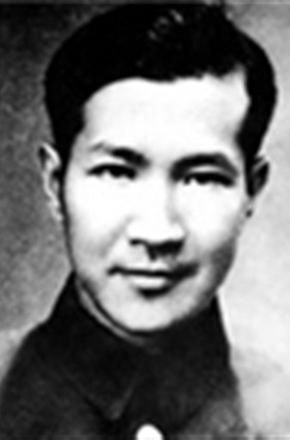
Xian Xinghai
Introduction
Xian Xinghai (1905-1945) was a prominent Chinese composer celebrated for his patriotic and revolutionary music, most notably the "Yellow River Cantata". Often referred to as the "people's musician," Xian's compositions have resonated deeply with audiences and have inspired generations. His music is known for its emotional depth and ability to ignite a sense of national pride and unity, particularly during times of conflict. Xian's legacy endures not only through his music but also through various cultural and artistic tributes, including films, dance dramas, and international collaborations that continue to celebrate and reinterpret his work.
Education and Musical Training
Born in Macao, Xian Xinghai's early life was marked by hardship. He traveled with his mother to Singapore, where his musical talent was first recognized by his primary schoolteachers. This early encouragement led him to pursue music more seriously. Xian's formal education in music began at Sun Yat-sen University in Guangzhou, where he studied violin. He later moved to Beijing and Shanghai to further his studies before being admitted to the prestigious Conservatoire de Paris in 1930. At the Conservatoire, Xian was trained under world-class masters, receiving comprehensive training that shaped his future compositions. Despite financial struggles, Xian's passion for music drove him to excel, working various jobs to support his education.
Career
Compositions
Xian Xinghai's career as a composer was profoundly influenced by his patriotic zeal and the socio-political landscape of China during the 1930s and 1940s. His compositions often reflect themes of resistance and national identity. The "Yellow River Cantata," perhaps his most famous work, was composed in 1939 in Yan'an, a revolutionary base at the time. The cantata was inspired by a patriotic poem by Guang Weiran and became an anthem of the Chinese people during the War of Resistance Against Japanese Aggression (1931-45). Xian utilized elements of traditional Chinese music, melded with Western classical influences, to create powerful and evocative compositions. His work extended beyond the Yellow River Cantata to include symphonies and other musical pieces that celebrated national heroes and conveyed the struggles and hopes of the Chinese people.
Performances and Collaborations
During his career, Xian Xinghai collaborated with numerous musicians and cultural figures to produce works that resonated with the public and served as rallying cries for unity against invading forces. His time abroad, particularly in the Soviet Union and Kazakhstan, was marked by significant collaborations with local musicians, including Kazakh composer Bakhitzhan Baykadamov. These partnerships resulted in the creation of influential works such as "Liberation of the Nation" and "Sacred War," which incorporated elements of local music traditions. Despite the hardships he faced, including being stranded due to the outbreak of the Soviet-German war, Xian's collaborations were pivotal in spreading his musical influence across borders.
Influence and Legacy
Xian Xinghai's influence extends beyond his lifetime, impacting the development of music in China and inspiring countless musicians and composers. His ability to fuse Western classical techniques with traditional Chinese elements set a precedent for future generations of composers. The Yellow River Cantata continues to be performed widely, celebrated for its emotional intensity and nationalistic fervor. Xian's life and work have been the subject of numerous artistic endeavors, including films and dance dramas that highlight his contributions to Chinese culture and his role as a symbol of resilience and creativity. The enduring appeal of his music underscores his legacy as a transformative figure in China's cultural history.
Recognition and Awards
Xian Xinghai's contributions to music and his role as a cultural icon have been recognized posthumously through various honors and commemorations. His works have been celebrated in concerts and festivals, both in China and internationally. The biographical film The Composer, a Sino-Kazakh production, is one of the many tributes that highlight his life and achievements. Streets and institutions in Kazakhstan and China have been named in his honor, reflecting the deep respect and admiration for his artistic legacy. Xian's music continues to be a source of inspiration and pride, ensuring that his impact on the world of music and culture remains significant.








